7 Signs It's Time to Replace Your Roof
Ignoring an aging roof can lead to costly water damage. Here are the key warning signs every Triad homeowner should know.
7 Signs It's Time to Replace Your Roof
Your roof is one of the hardest-working parts of your home — and one of the easiest to ignore. Out of sight, out of mind. But a failing roof doesn't wait for a convenient time to cause problems. Water damage, mold, and structural issues can follow quickly once your roof starts to go.
The good news? Your roof usually gives you plenty of warning signs before it fails completely. Here's what to look for.
1. Your Roof Is 20–25 Years Old
Most asphalt shingle roofs are designed to last 20 to 25 years. If yours is approaching or past that age — even if it looks okay from the street — it's time for a professional inspection.
Older roofs may look fine on the surface but have compromised underlayment, weakened decking, or failing flashing that isn't visible from the ground. Don't wait for a leak to find out.
2. Curling or Buckling Shingles
Take a look at the slopes of your roof that get direct sunlight. If the shingles are curling at the edges (called "cupping") or buckling in the middle, that's a sign the shingles are past their life expectancy.
Curling shingles are vulnerable to wind uplift and ice damage, and they can no longer properly shed water. This is one of the clearest signs that replacement is overdue.
3. Missing or Cracked Shingles
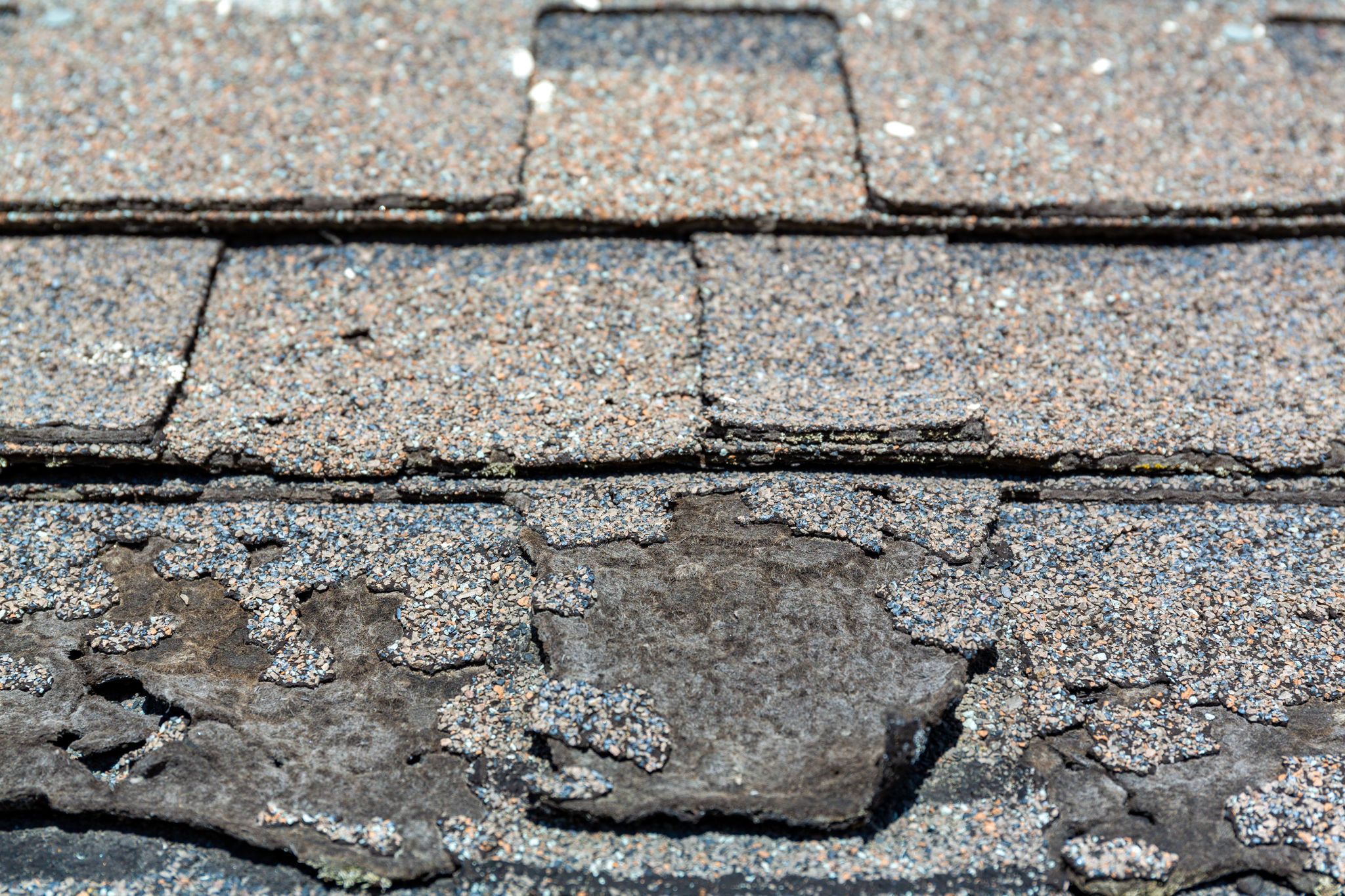
A few missing shingles after a storm can often be repaired. But if you're regularly finding shingles in your yard, or if large sections are cracked or broken, the roof system as a whole is likely deteriorating.
Cracked shingles are especially common in climates with wide temperature swings — like North Carolina — where repeated freeze-thaw cycles stress the material over time.
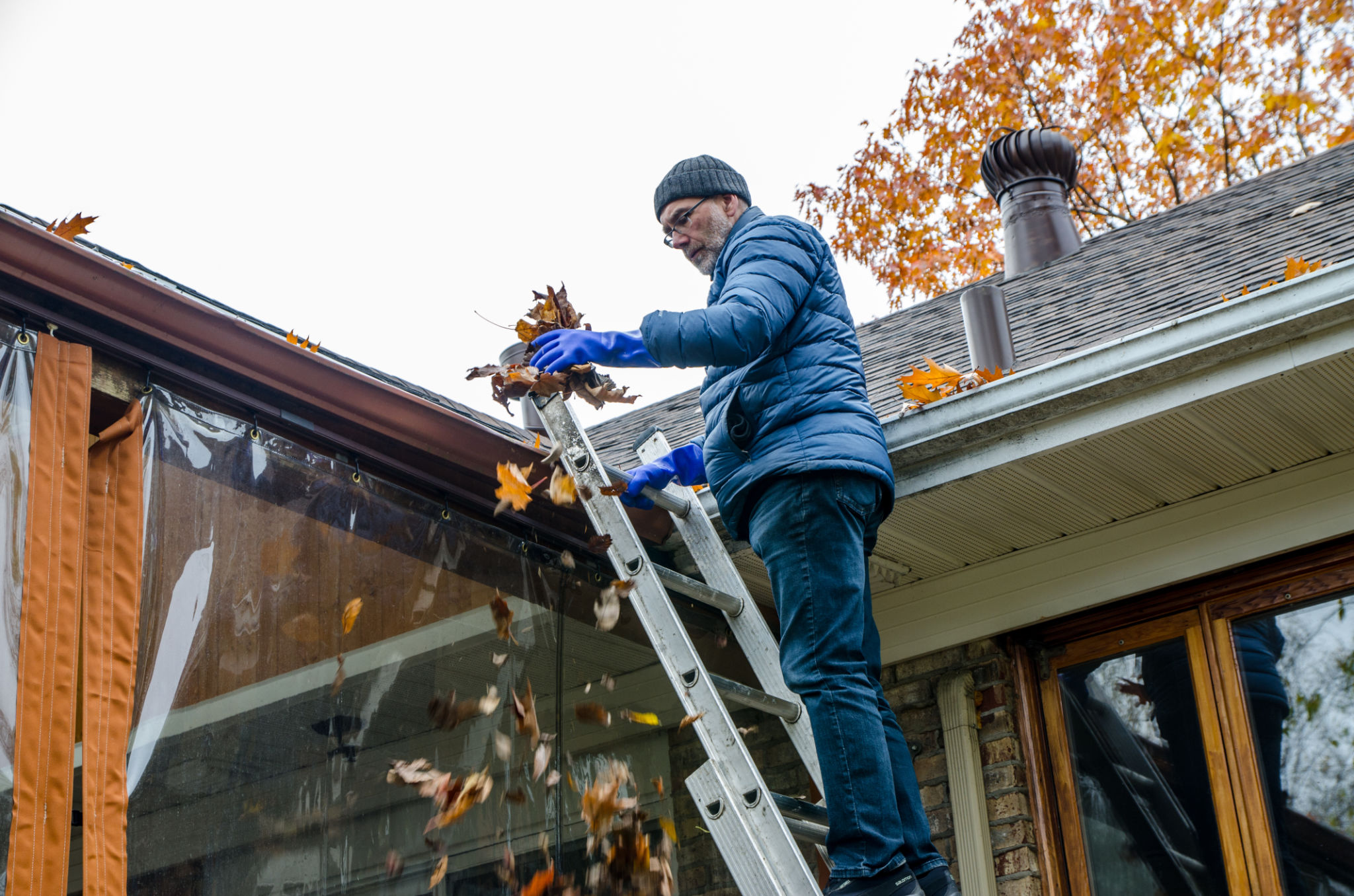
4. Granules in Your Gutters
Asphalt shingles are coated with granules that protect against UV rays and add fire resistance. As shingles age, these granules loosen and wash into your gutters.
Check your gutters and downspout discharge areas. If you're seeing a significant amount of dark, sand-like granules, your shingles are nearing the end of their useful life. New roofs shed a few granules initially, but heavy granule loss on an older roof is a red flag.
5. Daylight Through the Roof Boards
Head up to your attic on a sunny day and turn off the lights. If you can see daylight coming through the roof boards, you have a serious problem. Where light gets in, water gets in too.
While you're up there, also look for dark staining or streaks, which indicate moisture has already been infiltrating. Check for soft or spongy spots in the decking — these suggest rot.
6. Sagging Roof Deck
A sagging roof is a structural emergency. If you notice a dip or sag in the roofline — especially in the middle of a slope — it could mean the decking is rotting, the rafters are failing, or there's a moisture problem that has been going on for a long time.
Don't delay on this one. A sagging roof can collapse under heavy rain or snow load.
7. Frequent Leaks or Water Stains Inside
If you're regularly patching leaks or noticing new water stains on your ceilings and walls, your roof is telling you something. One isolated leak can often be repaired. But recurring leaks in multiple locations mean the roof system is failing broadly.
Water damage compounds quickly — it leads to mold, damaged insulation, and rotted framing. If you're playing whack-a-mole with leaks, it's time to stop patching and start planning a replacement.
What to Do Next
If you're seeing one or more of these signs, the smartest move is to schedule a professional roof inspection. A qualified roofer can assess the full condition of your roof — not just what's visible from the ground — and give you an honest recommendation.
At Integrity Roofing Group, we offer free inspections and no-pressure estimates for homeowners across Greensboro, High Point, Burlington, and the surrounding Triad area. We'll tell you exactly what's going on with your roof and what your options are.
Don't wait for a leak to become a disaster. Get your free estimate today and have peace of mind before the next storm season.
Explore Topics
Written by
Jesse Reeves
Content creator and writer sharing insights and stories.