Protect Your Roof: 4 Gutter Maintenance Tips Every NC Homeowner Should Know
Your gutters are your roof''s first line of defense against water damage. Here are four practical maintenance tips to keep them working all year long in North Carolina.

Protect Your Roof: 4 Gutter Maintenance Tips Every NC Homeowner Should Know
While you're getting ready for the next season — whether that's summer storms or fall leaves — it's worth taking a few minutes to check on your gutters. North Carolina weather is hard on homes, and your gutters take the brunt of it. Neglecting them is one of the fastest ways to turn a small maintenance task into a costly roof repair.
Here are four gutter maintenance tips that will keep your roof protected and your home dry.
1. Clear Out the Debris
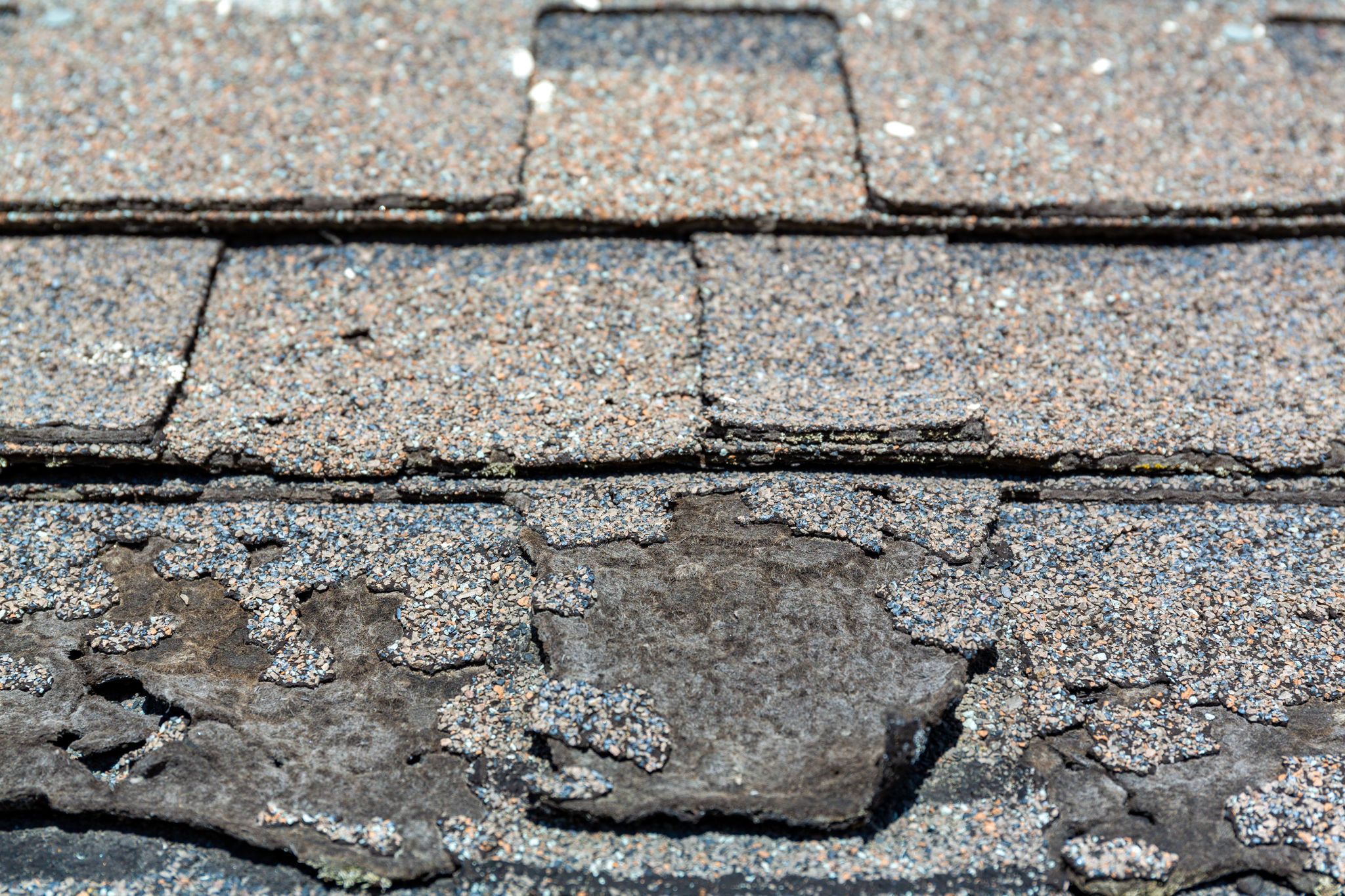
This is the most important step, and it's easier than most homeowners expect. Gutters collect everything: leaves, pine needles, twigs, dirt, and even shingle granules that wash off your roof over time. When that debris builds up, it creates a dam — and water backs up under your shingles.
Start by removing the top layer of loose material:
- Leaves and leaf clumps
- Tree branches and twigs
- Pinecones and tree nuts
- Loose dirt and grit
Use a gutter scoop, a soft-bristle brush, or just a pair of work gloves to dig out the compacted debris underneath. Chances are there's a layer of decomposed material that's been building up for months. Clearing it out also reduces mold and mildew growth inside the gutter channel.
Once the debris is out, spray the gutters down with a garden hose from the end opposite the downspout. This flushes remaining grit toward the downspout and lets you see if water is flowing freely.
How often? Twice a year is the baseline — once in late spring and once in late fall. If you have large trees overhanging your roofline, plan on three or four times a year.
2. Check and Tighten Gutter Spikes
While you're spraying down the gutters, pay attention to whether the gutter itself feels solid or wobbly. Over time, the weight of debris and standing water pulls gutter spikes loose from the fascia board. A gutter that's sagging or pulling away from the house can't direct water properly — and it puts stress on the fascia, which can lead to rot.
If you find loose spikes:
- Smooth spikes: Hammer them back in firmly
- Threaded spikes: Use a screwdriver to tighten them
- Hidden screws: Some newer gutter systems use a hex-head screw that requires a drill with the right bit
If the fascia board itself feels soft or spongy when you press on it, that's a sign of rot — and that's a job for a professional. Rotted fascia needs to be replaced before new gutter hardware will hold.
3. Unclog Your Downspouts
After cleaning the gutter channels, check the downspouts. This is a step a lot of homeowners skip, and it's where clogs most often hide.
Here's how to tell if a downspout is clogged: when you spray water into the gutter, it should flow out the bottom of the downspout within a few seconds. If it doesn't — or if water is backing up and overflowing the gutter — the downspout is blocked.
To clear a clogged downspout:
- Remove the curved elbow at the bottom of the downspout (usually held by two screws)
- Spray water up into the downspout from the bottom to break up the clog
- Use a garden shovel or plumber's snake to clear any remaining debris
- Reattach the elbow and test again with the hose
Also check where your downspouts discharge. Water should be directed at least 4–6 feet away from your foundation. If the downspout empties right against the house, add a downspout extension or splash block to move water further away. This is one of the most overlooked causes of basement moisture and foundation problems in NC homes.
4. Consider Installing Gutter Guards
If you're tired of cleaning your gutters multiple times a year — or if you have significant tree coverage — gutter guards are worth the investment.
Gutter guards sit on top of your gutters and prevent large debris from entering the channel while still allowing rainwater to flow through. There are a few main types:
Foam inserts are the most affordable option. They're V-shaped foam blocks that sit inside the gutter and block solid debris while letting water seep through. They work, but they can trap fine debris and grow mold over time — so they still require periodic cleaning.
Micro-mesh guards are the most popular choice for homeowners who want a low-maintenance solution. They attach on top of the gutter and use a fine mesh screen to keep debris out while catching rainfall. They're easy to install and work well in most situations.
Curved mesh guards are the premium option. They're sturdier, longer-lasting, and offer more installation flexibility — some snap on, some slide on, and some attach permanently. If you have heavy tree coverage and want the most durable solution, this is the one to ask about.
No gutter guard is completely maintenance-free — fine debris like pine needles and shingle granules can still accumulate over time — but a quality guard can reduce your cleaning frequency from twice a year to once every year or two.
Keeping Your Roof Intact for Years to Come
Your gutters are a small but critical part of your home's water management system. When they work, you never think about them. When they fail, the damage can reach your foundation, your fascia, your soffits, and your roof deck.
Follow these four tips — clear the debris, tighten the hardware, unclog the downspouts, and consider guards — and your gutters will protect your roof through every NC storm season.
If your gutters are sagging, leaking, or overdue for replacement, Integrity Roofing Group handles full gutter services across Greensboro and the Triad. Contact us to schedule a free inspection, or request a free estimate for new seamless gutters or gutter protection.
Explore Topics
Written by
Jesse Reeves
Content creator and writer sharing insights and stories.