What Are Impact Resistant Shingles? 5 Reasons to Upgrade Now
Impact resistant shingles are built to take a beating — and in North Carolina's storm season, that matters. Here's what they are and why more homeowners are making the switch.

If you've ever dealt with hail damage or watched a storm tear shingles off a neighbor's roof, you've probably wondered whether there's a better option. There is — and it's called an impact resistant shingle.
Here's everything you need to know about what they are, how they're rated, and why upgrading could be one of the smartest investments you make in your home.
What Are Impact Resistant Shingles?
Impact resistant (IR) shingles are asphalt shingles engineered with a modified rubber-like polymer — typically SBS (styrene-butadiene-styrene) — blended into the asphalt mat. This makes the shingle more flexible and resilient, allowing it to absorb the force of hail, falling branches, and wind-driven debris without cracking, splitting, or denting.
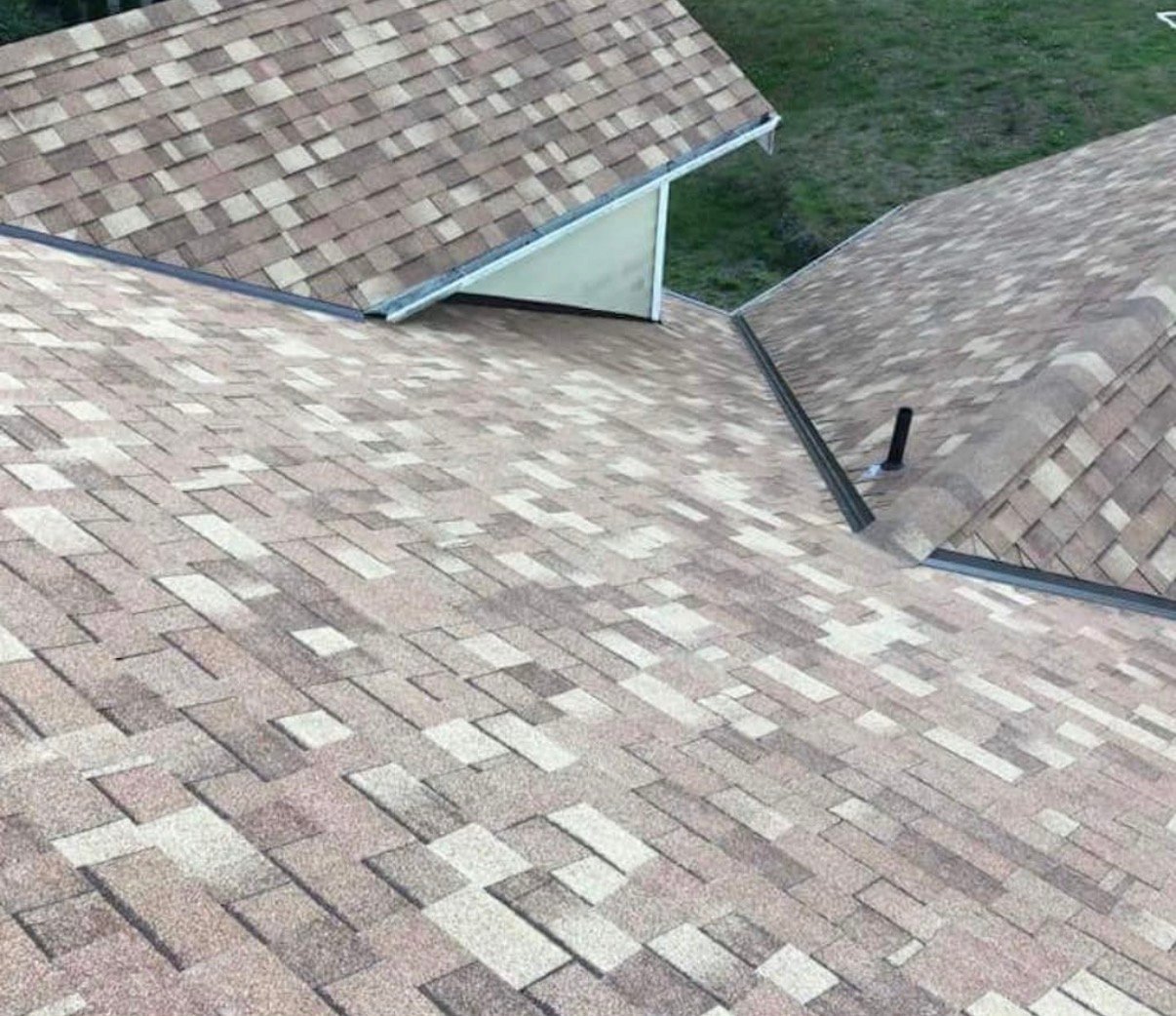
They look identical to standard architectural shingles from the street. The difference is entirely in how they're built — and how they perform when the weather turns severe.
How Are They Rated?
Impact resistant shingles are tested and rated using the UL 2218 standard, which involves dropping steel balls of varying sizes onto the shingle from a set height. The rating scale runs from Class 1 (lowest) to Class 4 (highest).
Class 4 is the top rating — it means the shingle survived a 2-inch steel ball dropped from 20 feet without cracking. Most homeowners looking for serious storm protection should look for Class 3 or Class 4 rated products.
In North Carolina, where hailstorms are a regular occurrence from spring through fall, Class 4 is worth the investment.
5 Reasons to Upgrade to Impact Resistant Shingles
1. Significantly Better Hail Protection
This is the obvious one. Standard shingles can crack, bruise, or lose granules when struck by hail — damage that may not be immediately visible but accelerates aging and leads to leaks down the road. Impact resistant shingles are specifically engineered to absorb that impact without failing.
2. Stronger Wind Resistance
IR shingles are also thicker and heavier than standard shingles, which means they're less likely to lift or blow off in high winds. Most are rated for winds of 110–130 mph — well above what most storms in the Triad produce.
3. Potential Insurance Savings
Many homeowners insurance carriers offer discounts of 10–30% on the wind and hail portion of your premium when you install Class 4 impact resistant shingles. Over the life of the roof, those savings can offset a significant portion of the upgrade cost. Check with your insurance provider — it's worth the call.
4. Longer Roof Lifespan
Because IR shingles resist the granule loss and surface cracking that comes from repeated hail and storm exposure, they tend to hold up better over time. A roof that isn't being slowly degraded by every storm that rolls through simply lasts longer — and that means fewer repairs and a longer interval before your next replacement.
5. Peace of Mind
There's real value in knowing your roof can handle what North Carolina throws at it. Severe weather is stressful enough without worrying about whether your roof is going to make it through. An impact resistant roof is one less thing to worry about.
Are Impact Resistant Shingles Worth the Extra Cost?
IR shingles typically cost 10–20% more than standard architectural shingles. On a full roof replacement, that might add $800–$2,000 to the total project cost depending on the size of your home.
When you factor in:
- Potential insurance discounts
- Reduced repair frequency
- Extended roof lifespan
- The cost of a single hail claim and the hassle that comes with it
...most homeowners find the upgrade pays for itself.
Who Should Consider Impact Resistant Shingles?
IR shingles are a smart choice for almost any homeowner, but they're especially worth considering if:
- You've had hail damage before and want to avoid a repeat
- You're in an area with frequent severe storms
- Your insurance carrier offers a Class 4 discount
- You're planning to stay in your home long-term and want to maximize the life of your roof
- You're replacing your roof after storm damage and want to build back stronger
Ready to Upgrade?
Integrity Roofing Group installs impact resistant shingles on homes throughout Greensboro, High Point, Winston-Salem, and the surrounding Triad area. We'll walk you through your options, help you understand the insurance implications, and give you a detailed written estimate — no pressure, no obligation.
Request your free estimate today and let's build a roof that's ready for whatever comes next.
FAQs About Impact Resistant Shingles
Are impact resistant shingles worth it in North Carolina?
Impact resistant shingles are absolutely worth considering in North Carolina. Hail and severe storms are common throughout the Triad and Piedmont regions, and homeowners benefit from fewer repairs and improved durability. The upgrade cost is often offset by reduced repair bills and potential insurance savings over time.
Do impact resistant shingles help reduce insurance costs?
Some insurance providers offer discounts for impact resistant shingles, particularly Class 4 rated products. Coverage and savings vary by provider, but installing these shingles may reduce your long-term insurance costs. We recommend contacting your insurance carrier before your replacement to find out if a discount applies to your policy.
How long do impact resistant shingles last compared to standard shingles?
Impact resistant shingles often last longer than standard asphalt shingles due to their reinforced construction. While lifespan varies based on installation quality, ventilation, and maintenance, they generally experience less storm-related wear over time — which helps extend overall roof performance well beyond the 25–30 year range typical of standard architectural shingles.
Can impact resistant shingles prevent all roof damage?
Impact resistant shingles significantly reduce the risk of damage but do not eliminate it completely. Extremely severe storms can still cause damage, but these shingles provide substantially stronger protection compared to standard roofing materials — and that difference adds up over the life of your roof.
Explore Topics
Written by
Jesse Reeves
Content creator and writer sharing insights and stories.